SAALT Newsletter: August Edition
Celebrating Women, Teachers, and Language Communities
On 9 August, we celebrated Women’s Day. We honoured the women who had paved the way for future generations. In language education, women have always played a vital role in shaping curriculum, pedagogy, and policy. We aim to continue to empower women and girls through education, promoting equality and inclusivity in all aspects of life.

Conference Reflections
Feedback and highlights from the 2026 SAALT Conference
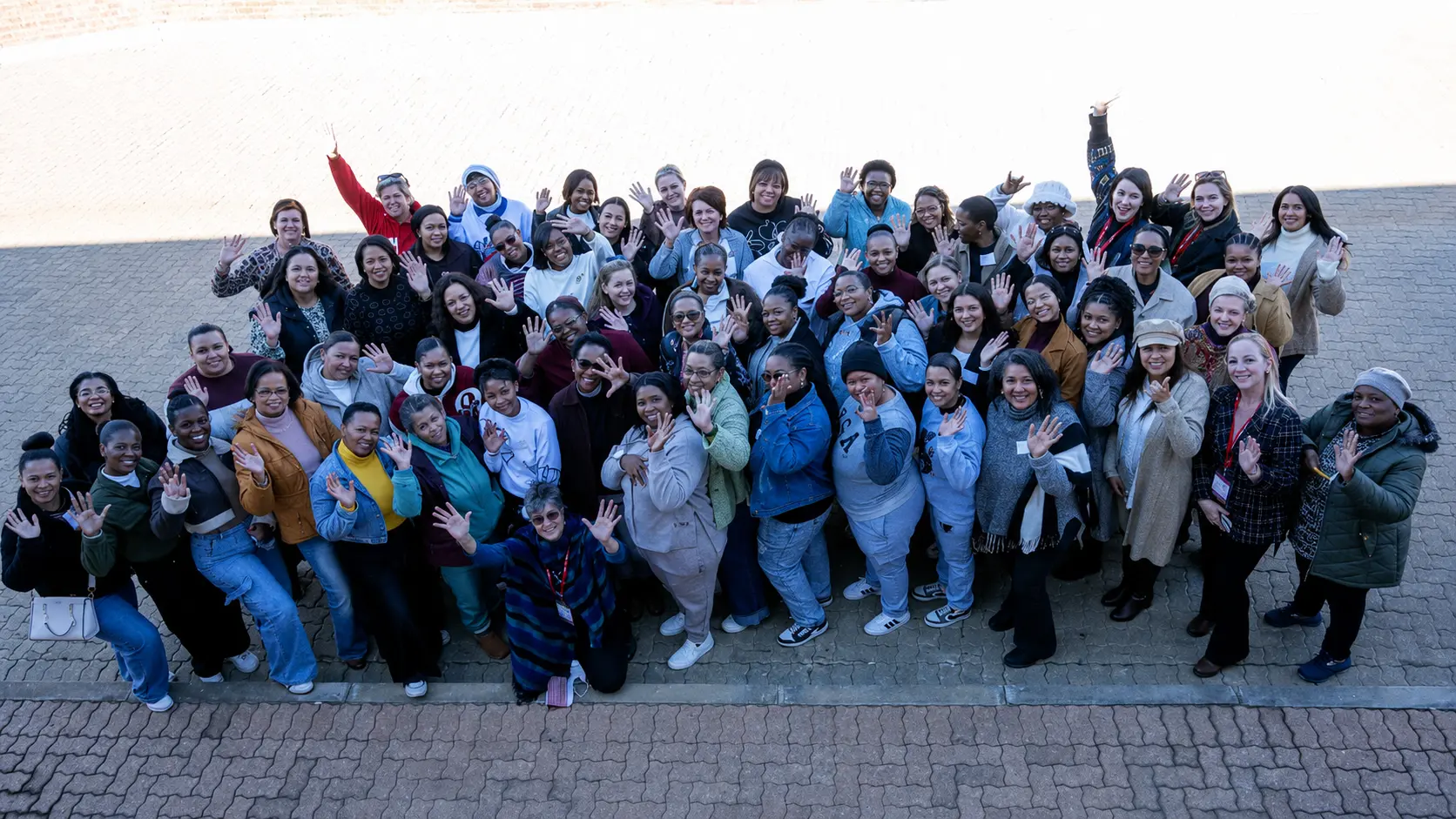
The 2026 SAALT Annual Conference was a resounding success, bringing together more than 70 delegates from six countries and representing a diverse range of disciplines within language education.
Among the conference highlights were inspiring keynote addresses by distinguished scholars from Tanzania, the United States and Russia, as well as an international symposium focusing on writing centres.
A particularly significant milestone was the introduction of simultaneous interpretation for presentations delivered in African languages. Although some practical challenges were experienced, valuable lessons were learned that will strengthen and improve this initiative at future conferences.
The conference further strengthened SAALT’s partnership with Sol Plaatje University, demonstrating the importance of collaboration with newer universities and of expanding SAALT’s institutional networks.
Delegates also benefited from a pre-conference workshop facilitated by Professor Albert Weidemann, who introduced participants to Rasch analysis and provided access to the Winsteps software.
Also, a symposium on Writing Centres with national as well as international presenters was another highlight of the conference.
The Teachers’ Strand was another exceptional and highly successful initiative at the conference, attracting more than 60 practising teachers and distinguishing SAALT as one of the few academic conferences to create a dedicated space where scholarly expertise and classroom practice could intersect meaningfully.
Organised by Professor Rinelle Evans of the University of Pretoria and Tanja Cilliers of Sol Plaatje University, the three-day programme, held from 14 to 16 July, featured an impressive series of practical workshops: Elma Marais on LEGO® Six Bricks across the curriculum; Professor Rinelle Evans on pedagogically effective worksheets and the use of artificial intelligence; Dr Joyce West on authentic children’s literature and reading enjoyment; MM Cronje on initial reading instruction in African languages; Dr Dolly Dlavane on children’s literature instruction in African languages; and Matome Mabiletja on integrating Open Educational Resources into African-language teaching.
This prestigious and innovative strand strengthened the vital relationship between research, teacher professional development and classroom implementation.
SAALT extends its sincere appreciation to the organisers, presenters, participating teachers and all contributors whose enthusiasm, expertise and commitment made this unique initiative such a resounding success.
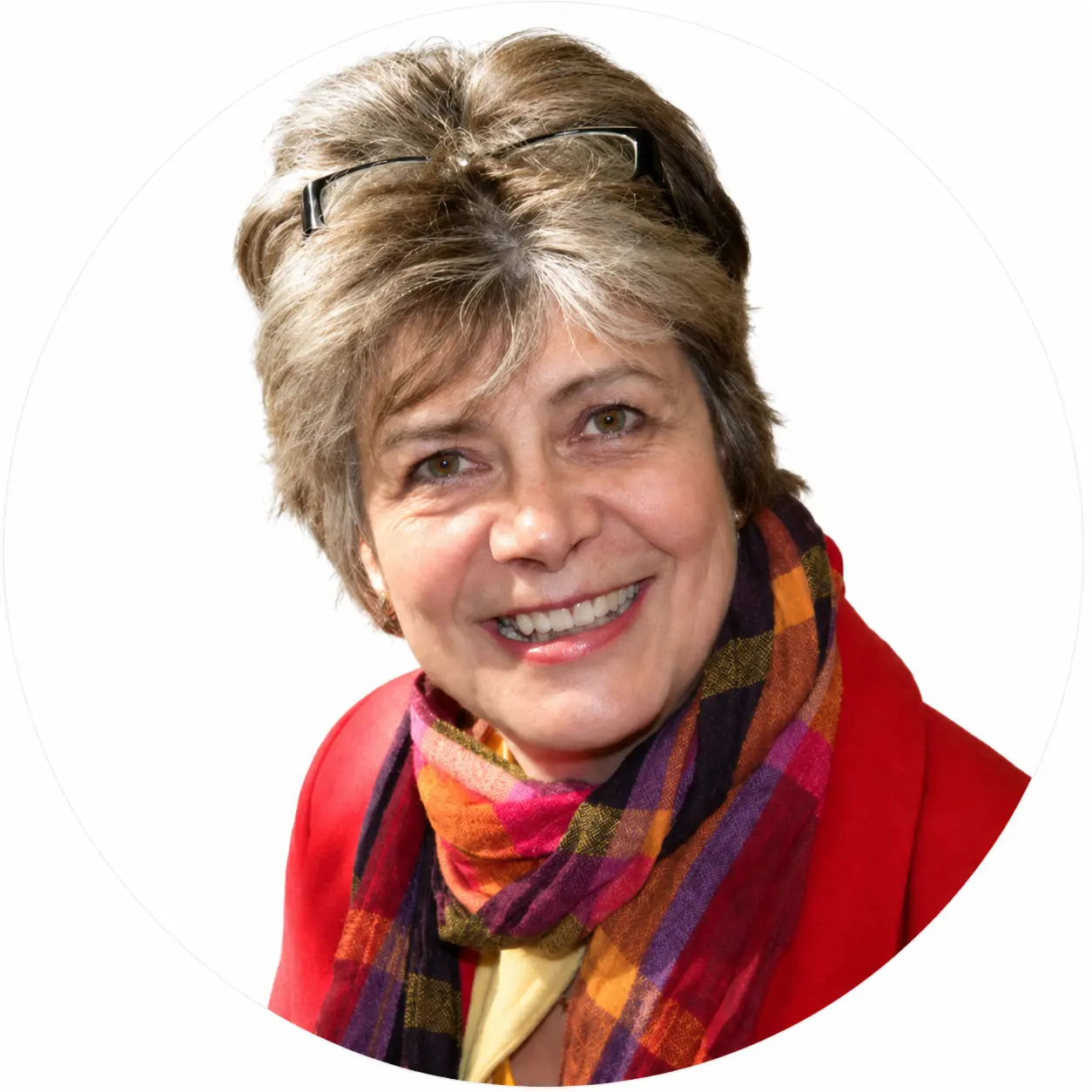
During the conference, SAALT proudly presented its Lifetime Achievement Award to Professor Rinelle Evans in recognition of her longstanding service, leadership and dedication to language education and to the Association, including her many years as Chairperson and Executive Committee member.
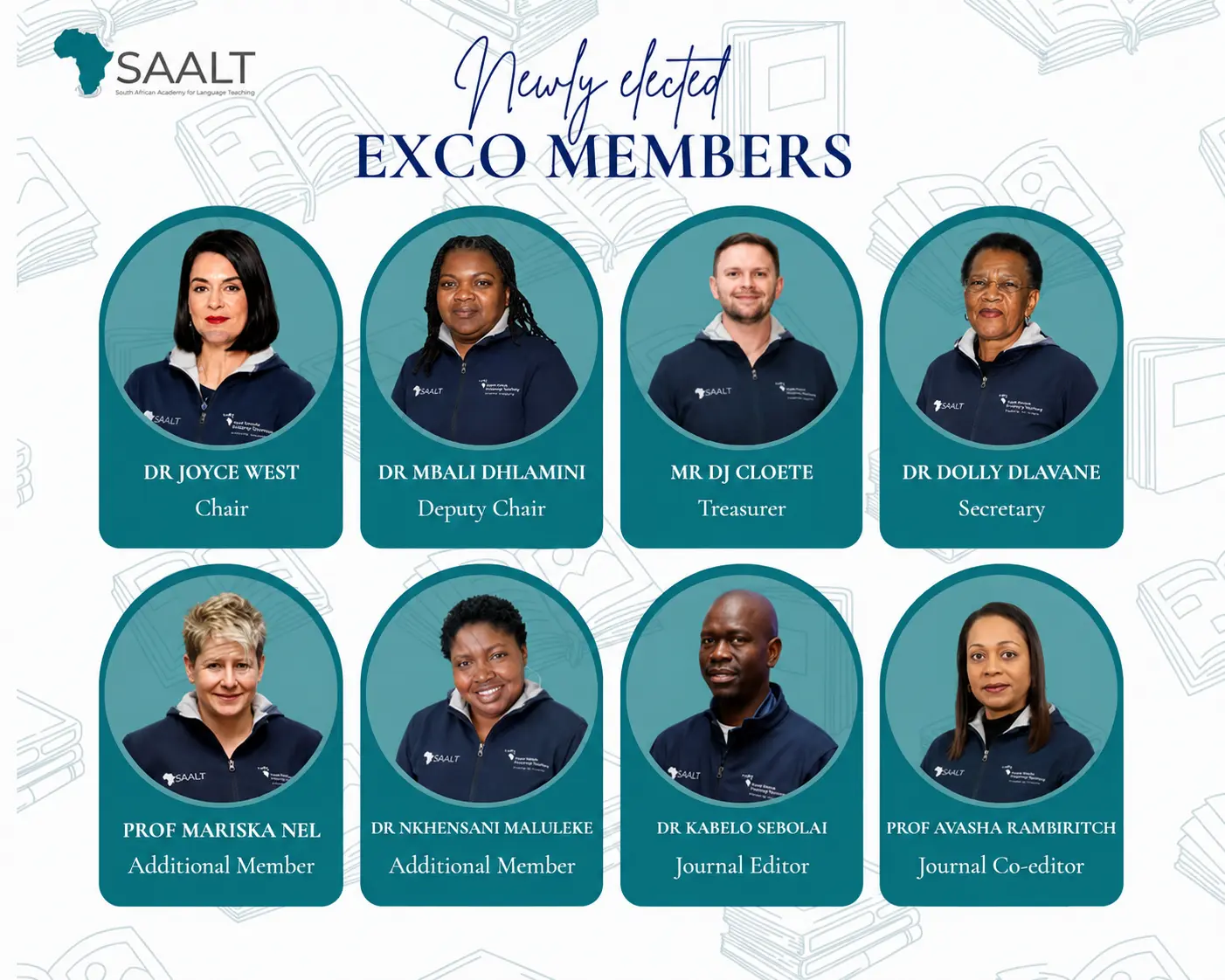
Furthermore, during the gala dinner at The Big Hole, the announcement of the newly elected Executive Committee marked the beginning of another exciting chapter for SAALT.
We extend our sincere appreciation to all our sponsors and partners, particularly Sol Plaatje University for providing the conference venues, ICELDA and North-West University for their financial contribution and support, READ Educational Trust for sponsoring children’s literature resources for the Teachers’ Strand.
Please follow this link for all the photos from the conference:
Recognition of the outgoing and returning EXCO members
We extend our sincere appreciation to the outgoing SAALT Executive Committee members, Prof Kotie Kaiser, Dr Connie Makgabo and Dr Malephole Sefotho, for their dedicated service, leadership and valuable contributions to the Association. Their commitment, wisdom and willingness to serve have strengthened SAALT and helped advance its work within the language-teaching community. We are deeply grateful for the time and energy they have invested and trust that they will remain valued members of the wider SAALT family.
New SAALT Exco members
Membership Fees for 2025/2026
Becoming a SAALT member offers valuable opportunities for professional growth, networking, and collaboration within the language teaching community. Members gain access to an online profile and a directory of expertise, where they can connect with colleagues who have indicated their willingness to serve as journal article reviewers, external examiners, moderators, and more. This creates a dynamic platform for building partnerships and sharing knowledge. In addition, members enjoy exclusive benefits, including a 20% discount on page fees when publishing in the Journal for Language Teaching (JLT). By joining SAALT, you become part of a vibrant network dedicated to advancing language education and research across South Africa and beyond.
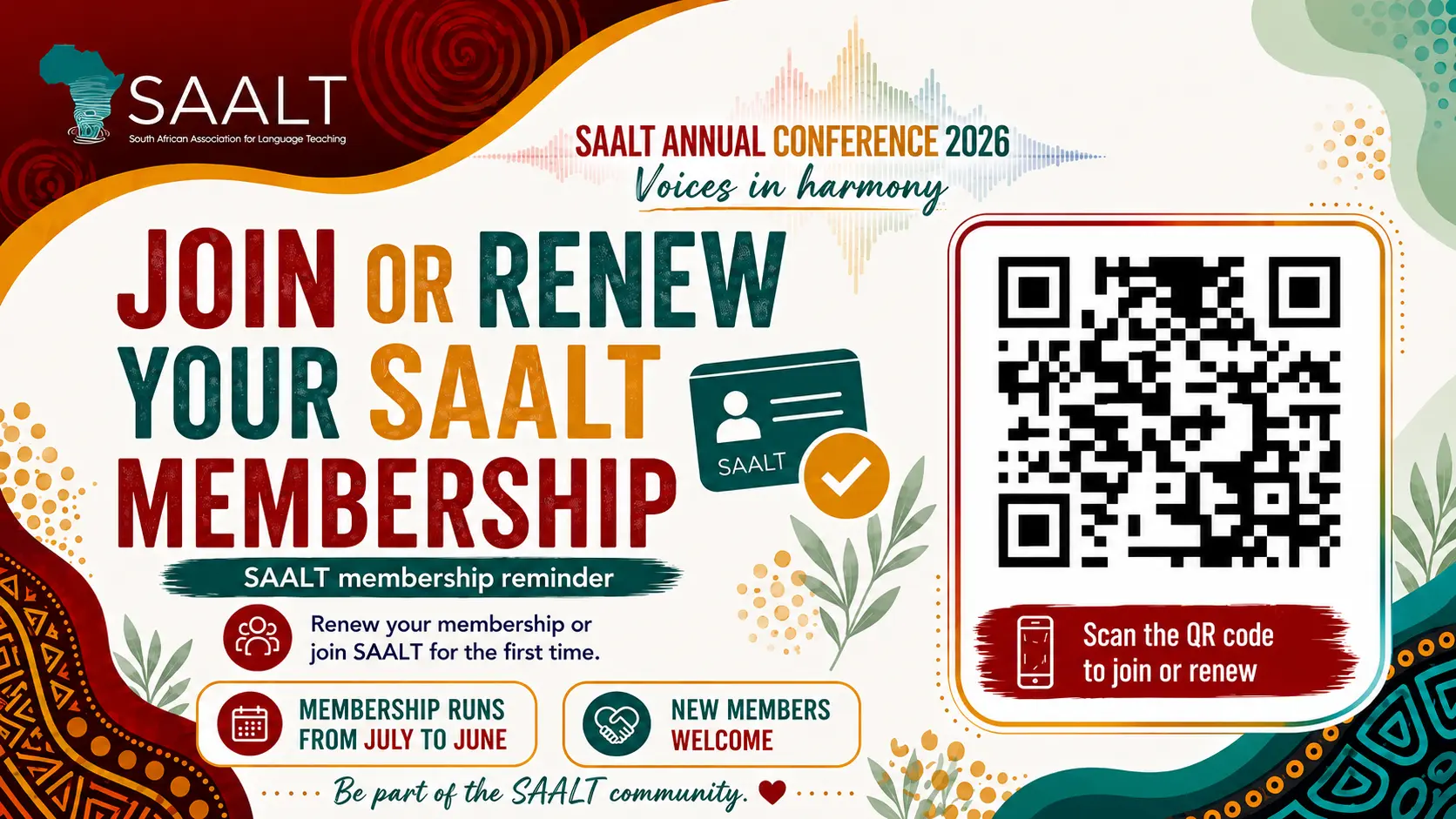
Important notice: SAALT membership runs annually from 1 July to 30 June. Memberships renewed or paid after 1 July are valid until 30 June of the following year.
We would like to remind everyone to renew their SAALT Membership for 2025/2026. More information is available on our website at https://saalt.org.za/become-a-member/. From this page, you will be able to navigate to our membership levels. The following options are available:
- SAALT Individual Teacher Membership: R250
- SAALT Schools Memberships: R500
- SAALT registered Postgraduate Students: R200
- SAALT Registered Academics/researchers/Other Institutions: R500
After you have made your selection on the following page https://saalt.org.za/membership-levels/ you can choose one of two options.
-
Option 1:
Subscribe and pay via our secure online payment portal, Payfast. The subscribe and pay option allows you to access your online profile immediately. -
Option 2:
Request an invoice and pay via EFT or submit your invoice to your institution. If you choose this option, please remember to submit your proof of payment to the upload link that is sent to you via email after you have subscribed. As soon as your payment has been verified (please allow 2 weeks for this process), you will be able to access your online profile.
Call for Chapters
New Trends in Sociocultural Linguistics: Perspectives from South Africa
Editors: Malephole Sefotho, Collen Sabao & Mohammad Hossein Keshavarz
Sociocultural Linguistics is an interdisciplinary field that examines language in its social and cultural contexts, i.e., how society and culture shape our linguistic and social behavior. It aims to integrate insights from linguistic anthropology, discourse analysis, sociology of language, and other disciplines. It explores how language is used to construct social identity, negotiate power dynamics, and express cultural meaning. This handbook provides an outstanding platform for sharing innovative research findings on various sociocultural linguistic issues in diverse contexts and cultures. Topics of interest include, but are not restricted to, the following:
- Language as Social Action: How language shapes and reflects social realities
- Indexicality & Meaning: How words and expressions signal social identity and contextual meaning
- Linguistic Marginalization: How certain speech styles are stigmatized or privileged in society.
- Discursive Framing in the Media: How news and social media shape public perception through linguistic choices
- Multimodal Discourse: How gestures, images, and technology contribute to meaning-making
- Language Ideologies: Dominant beliefs about language and how they impact speakers
- Memes & Sociocultural Meaning: How memes function as cultural artifacts in online discourse – how they shape discourse, humor, and cultural belonging
- AI & Sociocultural Linguistics: How AI-generated texts reflect biases, ideologies, and human-like interaction
- Humor & Social Identity: How humor constructs ingroup and outgroup dynamics
- Digital Identity & Linguistic Practices: How people construct identities through social media language
- Sociocultural Linguistics in Education: How classroom discourse shapes learning and identity
- Language & Virtual Communities: How linguistic norms are used in gaming, fandoms, and online subcultures
- Gender & Linguistic Practices: Gendered forms of communication and their role in societal power dynamics
- Race, Ethnicity & Language: How language practices intersect with race, ethnicity, and cultural identity
- Language & Identity: How do individuals construct social identities through speech, writing, and interaction
- Globalization & Language Change: How global influences shape and reshape local languages and dialects
- Social Media Linguistics: How hashtags, emojis, and internet slang shape modern communication
- New Media & Language Evolution: The impact of TikTok, YouTube, or podcasts on linguistic practices
- Global Market: How is language utilized as an economic resource in global markets
- Linguistic Citizenship: How individuals claim rights through language use and policy
We welcome contributions from researchers in the field to submit original chapters on any of the above topics. The length of the book chapters can range from 7000 to 11,000 words, depending on the topic. First, please select a topic from the list above —or a closely related one— and submit a short proposal, along with your affiliation and a brief biodata (maximum 60 words), by 30 July 2026 to newtrendsinscling@gmail.com. The deadline for submitting full-length, fairly polished chapters for inclusion in the volume is 30 October 2026. Please be informed that the handbook will be published by an international publishing company.
We thank you in advance for your kind participation in this project and look forward to receiving your proposals soon.
Regards,
Malephole Sefotho
e-mail: Malephole.sefotho@nwu.ac.za
Collen Sabao
e-mail: csabao@unam.na
Mohammad Hossein Keshavarz
e-mail: m.h.keshavarz2026@gmail.com
Editors’ Profiles:
MALEPHOLE SEFOTHO is a Senior Lecturer and Head of the English Department in the School of Languages, Faculty of Humanities, at North-West University, South Africa. She holds a Bachelor of Arts and Bachelor of Arts Honours in English Language & Linguistics and Literature in English, as well as a Master of Arts in English Language and Linguistics from the National University of Lesotho. She obtained her PhD in Applied Language Studies from the University of the Witwatersrand, South Africa. Her research interests are situated within the fields of Sociolinguistics, Applied Linguistics, Pragmatics, Discourse Analysis, Reading comprehension, and Grammatical aspects. Her research critically engages with contemporary debates on multilingualism and linguistic diversity, foregrounding concepts such as languaging, translingualism, and Ubuntu translanguaging within the Global South context. She has published in both national and international peer-reviewed journals on topics including language policy, multilingual pedagogies/approaches, grammatical analysis and the integration of artificial intelligence in multilingual higher education contexts. Her work is underpinned by a strong commitment to epistemic and linguistic justice, advocating for the recognition and pedagogical utilisation of diverse linguistic repertoires while interrogating and challenging monoglossic colonial linguistic ideologies.
ORCID: https://orcid.org/0000-0002-9170-5027
COLLEN SABAO is a Professor of Linguistics, Literature and Communication in the Department of Humanities and Arts at the University of Namibia, and a Research Associate in the Department of Linguistics and Modern Languages at the University of South Africa (UNISA). Prof. Sabao’s research interests lie in the areas of Phonetics and Phonology, Political Discourse, Media Discourse, Pan Africanism, Afrocentricity, Appraisal Theory, Argumentation, World Literatures and Rhetoric. He has published extensively in these areas, with articles and chapters in internationally refereed publications. His latest publications include Language Matters in Contemporary Zimbabwe (Routledge, 2024), African Englishes: Contemporary Trends and Sociolinguistic Shifts (Routledge, 2025), and Zimbabwean Women Writers: Writing the Nation (Routledge, 2026). He holds a Bachelor of Arts Honours Degree in English and Communication and a Master of Philosophy in Theoretical Linguistics from universities in Zimbabwe, a PhD in African Languages (Applied Linguistics) from Stellenbosch University (South Africa) and a Postgraduate Diploma in Higher Education from the International University of Management (Namibia). He is also an American Council of Learned Societies Fellow’14 and an African Humanities Fellow ‘14. ORCID: https://orcid.org/0000-0001-6247-3741
MOHAMMAD HOSSEIN KESHAVARZ is Professor of Applied Linguistics and Head of ELT Department at Girne American University in North Cyprus. He holds an MA in Applied Linguistics and TEFL from Ohio University, USA, and a PhD from the University of Wales, UK. He has published extensively in peer-reviewed international journals, including Language in Society, International Journal of Applied Linguistics, Pragmatics and Society, WORD, International Journal of Bilingualism, Educational Research, Contrastive Pragmatics, English for Academic Purposes, Journal of Psycholinguistic Research, Communication Disorders Quarterly, International Journal of Bilingual Education and Bilingualism, Reading in a Foreign Language, and TESOL Journal. He is also the author of more than twenty academic books in English. His recently published books include: Politeness and Impoliteness in Persian (Springer Nature, 2026), The Handbook of Persian Carpets: Cultural and Semiotic Perspectives (Springer Nature, 2025), Contrastive Analysis, Error Analysis, and Interlanguage Hypothesis (6th Edition) (Rahnama Press, 2023), A New Analytical Model of Cultural Linguistics (Cambridge Scholars, 2023), and a Two-Volume Bilingual Dictionary (Rahnama Press, 2023). His research interests span First and Second Language Acquisition, Sociolinguistics, Pragmatics, Cultural Linguistics, Semiotics, and Contrastive Linguistics.
Special Interest Groups
To join the SAALT SIG Community you can scan the QR code below, or click on the WhatsApp link for the specific SIG you are interested in.
Academic Writing
During our conference last year, we discussed opportunities for the coming year. We shared ideas on how we can collaborate and promote best practices among members who are interested in academic writing. One of the initiatives we would like to launch is to build an online bibliography of publications on academic writing. If there are members who are willing to participate and would like to share their research with us, please send an email to info@saalt.org.za.
You are also welcome to join the Academic Writing WhatsApp Group simply by clicking here.
Assessment and Testing
The past few months have been quite exciting for our Assessment and Testing SIG. We have successfully delivered three webinars as part of the series Assess smart with Albert. We would like to thank Prof. Albert Weideman for availing himself for these webinars. These webinars are available on our website at https://saalt.org.za/webinars/ This SIG also forms part of the Network of Expertise for Language Assessment (NExLA). For more information visit: https://nexla.org.za/
You are also welcome to join the SAALT Assessment and Testing WhatsApp Group simply by clicking here.
African Languages: Teaching the African Way
The Special Interest Group (SIG) on African Languages: Teaching the African Way is dedicated to advancing the teaching and learning of African languages in ways that affirm their cultural, linguistic, and pedagogical richness. The SIG provides a collaborative platform for educators, researchers, and practitioners to share innovative methodologies, grounded in African worldviews, that respond to the realities of multilingual classrooms. By promoting African languages as both subjects and mediums of instruction, the group seeks to strengthen literacy, preserve cultural heritage, and contribute to educational transformation in South Africa.
We are therefore inviting you to join this group to advance our African language education.
To join our WhatsApp group click here
Addressing Diverse Multilingual Classroom Realities
Through our Special Interest Group (SIG) on Addressing Diverse Multilingual Classroom Realities, we aim to create a community of practice among the lecturers, teachers, departmental officials and members of NGOs who celebrate our language diversity in South Africa and who view language as a resource and a responsibility. We would like to collaborate on projects to celebrate the wealth of our language repertoires and find innovative ways in which to develop and support all the languages in South Africa and to share research and best practices on how languages can be harnessed to promote learning
To join our WhatsApp group click here
Advancements in Technology: Language Teaching and Assessment
The Advancements in Technology: Language Teaching and Assessment Special Interest Group (SIG) is one of the exciting SAALT SIGs through which we aim to foster a forward-thinking community of practice—one that embraces innovation, critical dialogue, and collaborative exploration of digital tools in language education. Educators, researchers, and practitioners are welcome to join our WhatsApp community (click here), where updates, announcements, and entry points into our broader shared resource and collaboration space will be shared.